

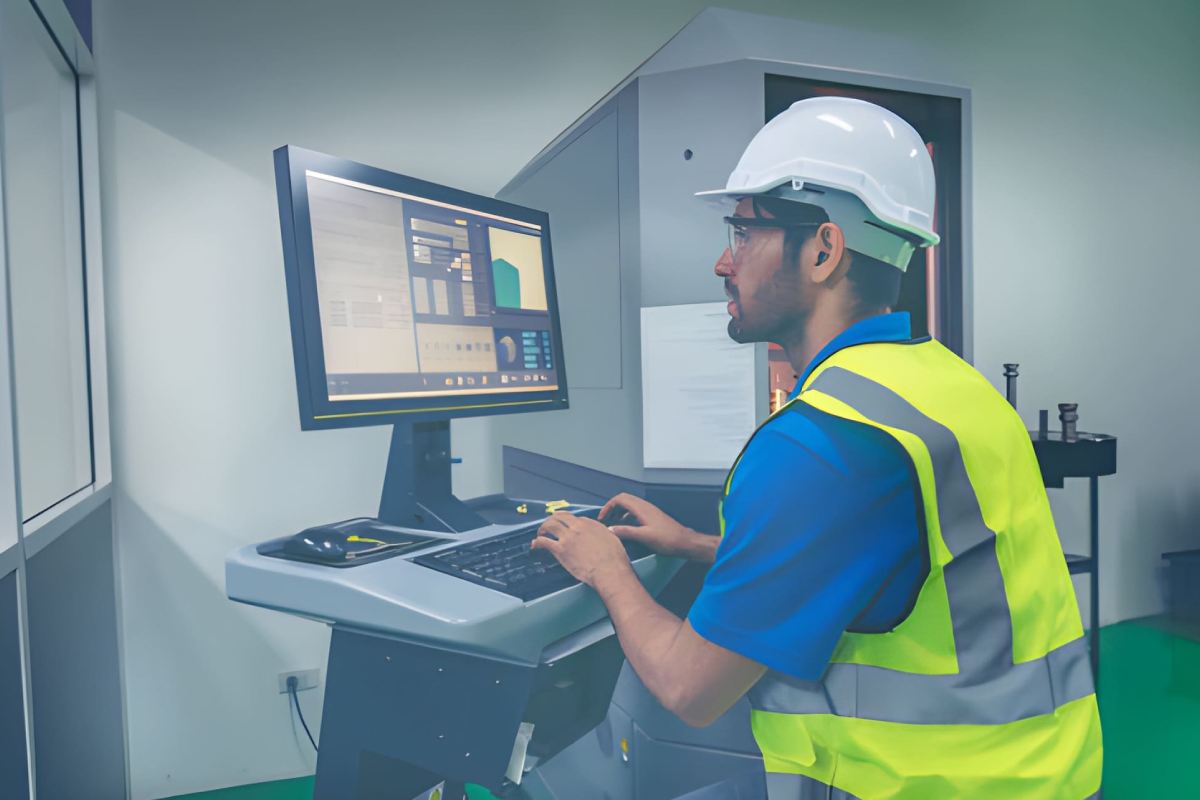

CMMS (computerized maintenance management systems) have become indispensable as modern manufacturing companies face challenges in succeeding in a highly competitive, constantly changing environment. As equipment becomes increasingly complex and downtime incurs high production costs, it becomes impractical for manufacturers to rely on legacy processes or even manual maintenance. CMMS automates virtually everything required for productive, reliable maintenance, enabling preventive maintenance planning, asset performance tracking, and more.
For manufacturers implementing computerized maintenance management systems for the first time or seeking to optimize their current systems, it is indispensable to understand the potential benefits. Acquiring the best CMMS is more than just an investment in new technology. It empowers your entire maintenance team, extends the lifespan of your assets, and ensures compliance with safety regulations. Consolidating activities can reduce costs, improve equipment reliability, and promote long-term success in the manufacturing sector through a single maintenance management platform.
Increased Equipment Uptime and Reliability
A CMMS system increases equipment uptime and ensures reliable production operations. Automated preventive maintenance programs and real-time alerts save considerable time, enabling maintenance specialists to intervene promptly and prevent unexpected equipment failures. The system also stores detailed asset history, allowing the managers to make data-driven decisions to extend tool life and optimise tool utilisation. Therefore, the system offers reduced production downtime, increased efficiency, and improved product quality.
- Automate preventive maintenance tasks to reduce unplanned downtime.
- Send real-time alerts about potential equipment problems.
- Monitor asset history to improve diagnostic accuracy and decision-making.
- Improve reliability to ensure smoother, more predictable production processes.
Real-life Example
A CMMS system was implemented to automate the preventive maintenance of refrigeration units and packaging equipment at a food processing plant. Timely alerts on maintenance needs and repair tracking reduced the number of unexpected breakdowns by 40%, ensuring uninterrupted production during periods of high demand and the timely delivery of perishable products to customers.
Streamlined Work Order Management
The CMMS system simplifies the entire work order process, eliminating manual intervention, associated system inefficiencies, and the risk of missed or delayed tasks. Maintenance requests are generated and tracked digitally, ensuring rapid completion of priority tasks and providing technicians with the necessary information. Smooth task execution is facilitated by inter-team communication, which optimises maintenance work coordination and results in faster repairs.
- Enables rapid creation, assignment, and tracking of work orders.
- Provides technicians with instant access to task details and execution history.
- Reduces response times and repair delays.
- Improves collaboration and accountability within maintenance teams.
Real-life Example
An auto parts manufacturer that previously used paper-based maintenance requests implemented a CMMS system for work order processing. These changes resulted in a half reduction in order processing time, increased transparency in maintenance and production processes, and allowed management to prioritise the most urgent tasks, reducing equipment downtime and improving production efficiency.
Optimized Preventive and Predictive Maintenance
A CMMS system improves maintenance strategies by streamlining preventive and predictive maintenance processes. Instead of setting arbitrary deadlines, a CMMS schedules maintenance based on actual usage and manufacturer recommendations, ensuring tasks are performed only when necessary. A CMMS can predict mechanical failures using sensors and IoT devices by analyzing real-time data and condition trends. This proactive strategy minimises premature inspections, reduces overhead, and prevents unexpected downtime before it impacts production.
- Schedule maintenance based on asset usage and actual condition.
- Use real-time data to forecast and prevent potential failures.
- Reduce maintenance costs through optimized task scheduling.
- Minimise unplanned downtime with condition-based interventions.
Real-life Example
An IoT sensor system was integrated into critical pumps and mixers in a pharmaceutical company’s manufacturing execution management system (CMMS). The system monitored real-time vibration and temperature data, predicting failures well in advance. This predictive approach prevents costly production downtime, ensures product quality, and extends equipment life through timely problem resolution.
Cost Reduction and Budget Control
Implementing a CMMS is a significant advantage for manufacturing industries, as it can reduce operating costs and improve budget control. Proactive maintenance planning eliminates the need for costly emergency repairs and premature equipment replacement. The system records operating hours and parts usage, helping managers identify optimisation strategies for assets. Thanks to reduced maintenance costs, complete transparency prevents cost overruns, enabling more informed financial decisions and increasing ROI.
- Reduce the cost of expensive emergency repairs with scheduled maintenance.
- Track labour and spare parts usage to improve resource management.
- Help avoid cost overruns with detailed expense reports.
- Enable data-driven decision-making to optimise maintenance costs.
Real-life Example
Using the cost-tracking features of a CMMS, a textile company evaluated labour time, spare parts consumption, and maintenance costs. Inefficiencies included overordering of underused spare parts and excessive overtime for emergency repairs. By optimising maintenance schedules and inventory, the company achieved a 15% reduction in annual maintenance costs without compromising asset reliability.
Extended Asset Lifespan
Overall, a CMMS system extends equipment lifespan by ensuring regular maintenance in accordance with the manufacturer’s requirements. Regular maintenance prevents unexpected wear and tear, reducing the need for costly repairs and replacements. Clear and timely maintenance, monitoring, and execution offer organisations greater opportunities to extend equipment lifespans, protect capital investments, and improve overall operational efficiency.
- Ensures ongoing maintenance in accordance with manufacturer recommendations.
- Reduces premature equipment wear and the need for costly replacements.
- Maintains detailed records to facilitate proactive asset maintenance.
- Maximizes return on investment by extending asset life.
Real-life Example
Laser cutting and bending machines underwent preventive maintenance at a metal fabrication plant in accordance with the company’s Computerised Maintenance Management System (CMMS) guidelines. Regular maintenance minimized premature wear and tear on these machines and prevented major breakdowns. Consequently, a depreciation period of approximately three years was established for this equipment, which delayed costly replacements and maximized the return on the initial investment.
Enhanced Compliance and Regulatory Readiness
Manufacturing industries must comply with strict regulatory standards for safety, quality, and environmental protection. A CMMS helps ensure compliance by automating the scheduling of inspections, audits, and maintenance activities. The system maintains detailed records in a centralised location, making them easily accessible during audits to support compliance and avoid penalties. This systematic approach to compliance management minimizes risks and ensures that manufacturers meet industry standards.
- Automates maintenance and audits related to regulatory compliance.
- Maintains detailed and structured records for regulatory audits and reporting.
- Reduces the risk of fines or production shutdowns due to noncompliance.
- Facilitates compliance with safety, quality, and environmental requirements.
Real-life Example
An aerospace manufacturer used a CMMS system to automate and document all mandatory safety and quality controls required by the U.S. Federal Aviation Administration (FAA). The system’s audit trail ensured that all maintenance and compliance records were accurate and up to date, enabling the company to pass regulatory audits without fines or penalties.
Improved Inventory and Spare Parts Management
A CMMS system manages the inventory of essential spare parts for production. It allows you to display inventory levels and usage in real time, ensuring the availability of critical parts and avoiding production interruptions. The system automatically alerts you to reorder when specific inventory thresholds are reached, minimising the risk of stockouts and the resulting buildup of excess inventory. Effective inventory control ensures a well-functioning supply chain and uninterrupted maintenance.
- Provides real-time tracking of spare parts inventory.
- Automates replenishment alerts to prevent stockouts.
- Reduces excess inventory and associated storage costs.
- Facilitates ongoing maintenance without delays.
Real-life Example
A beverage bottling plant used a CMMS system to monitor spare parts availability in real time. Automatic replenishment alerts prevented shortages of critical components, such as conveyor belts and valves. This enables rapid maintenance, reducing downtime and avoiding costly production downtime.
Data-Driven Decision Making
A CMMS system stores and analyzes comprehensive asset maintenance and performance data, providing manufacturers with valuable insights. Maintenance managers can use customizable reports and dashboards to track trends, such as the causes of frequent breakdowns, equipment efficiency, and performance anomalies. Ensuring fluid, informed decision-making is critical, enabling companies to prioritise maintenance investments, optimise workflows, and implement continuous improvement initiatives. Decisions should be based on historical and real-time data, with the goalmouth of improving operational efficiency and reducing waste.
- Provides detailed reports on asset performance and maintenance trends.
- Identifies the causes of recurring equipment problems.
- Facilitates data-driven resource allocation.
- Ensures continuous improvement through data-driven strategies.
Real-life Example
An analysis of recurring valve failures at a chemical plant, conducted using CMMS reports, revealed systematic quality issues with suppliers. With this new insight, the maintenance team negotiated more favourable contracts with suppliers that produced higher-quality materials, resulting in a 25% reduction in failures and, consequently, an increase in the plant’s overall reliability.
Higher Labour Productivity
A CMMS system can improve your employees’ productivity by providing your entire maintenance team with all the necessary information at their fingertips. This allows technicians to access digital work orders, asset histories, manuals, and checklists from any device, reducing the time spent searching for information or completing paperwork. This access streamlines daily tasks, allowing maintenance staff to focus on essential and preventative repairs. This means they become more efficient, completing tasks more quickly and accurately.
- Provides instant access to digital work orders and documentation.
- Reduces downtime caused by searching for maintenance information.
- Allows technicians to focus on essential tasks.
- Increases maintenance team efficiency and task completion speed.
Real-life Example
A packaging manufacturer implemented mobile access to the CMMS system for its maintenance specialists. This allowed employees to receive work orders, update job statuses, and access asset manuals directly from their devices on the shop floor. Reducing time spent travelling to obtain approvals and search for documentation increased specialist productivity by 30%, streamlining maintenance tasks.
Scalability and Support for Continuous Improvement
A CMMS system is designed to drive the growth of manufacturing companies, allowing them to expand their potential by expanding assets, plants, and personnel. This is complemented by standardising maintenance processes across plants to ensure consistency and quality as operations scale. Furthermore, a CMMS system provides a continuous flow of data and analytics to drive a culture of constant improvement. These analyses help identify operational inefficiencies, evaluate performance, and inform optimised strategic decisions for maintenance management and long-term operational excellence.
- It scales easily to support growing assets and multiple facilities.
- It standardises maintenance processes across all facilities.
- It provides benchmarking and performance tracking for continuous improvement.
- It facilitates strategic decision-making through continuous data analysis.
Real-life Example
An international electronics company implemented cloud-based maintenance management systems (CMMS) at five plants worldwide. Standardisation of maintenance workflows and terminology was achieved, enabling the implementation of similar methods across all facilities. The scalability of the process also enabled regional benchmarking using collective data, allowing the company to identify unique local practices, improve overall equipment effectiveness (OEE), and embed a culture of continuous improvement across its operations.
Conclusion
A CMMS system is a revolutionary application for manufacturing facilities looking to improve operational performance and reduce costly downtime. Automated planning and management of maintenance workflows and instant access to up-to-date data ensure reliable equipment operation and maintain asset integrity throughout their lifecycle.
This shift to a more focused maintenance approach minimises the need for emergency repairs, controls costs, and maximises labour productivity, thereby contributing to a more efficient production process and an overall increase in productivity.
These are not just short-term benefits; a CMMS system prepares the organization for long-term growth and regulatory compliance by harmonising processes across facilities and maintaining regulatory data across the enterprise.
Expanding CMMS functionality and data accessibility are continuous improvement drivers, enabling manufacturers to better respond to changing industry expectations and remain competitive. A CMMS system will ultimately lay the foundation for sustainable, efficient operations, providing a lasting competitive advantage in today’s manufacturing environment.